

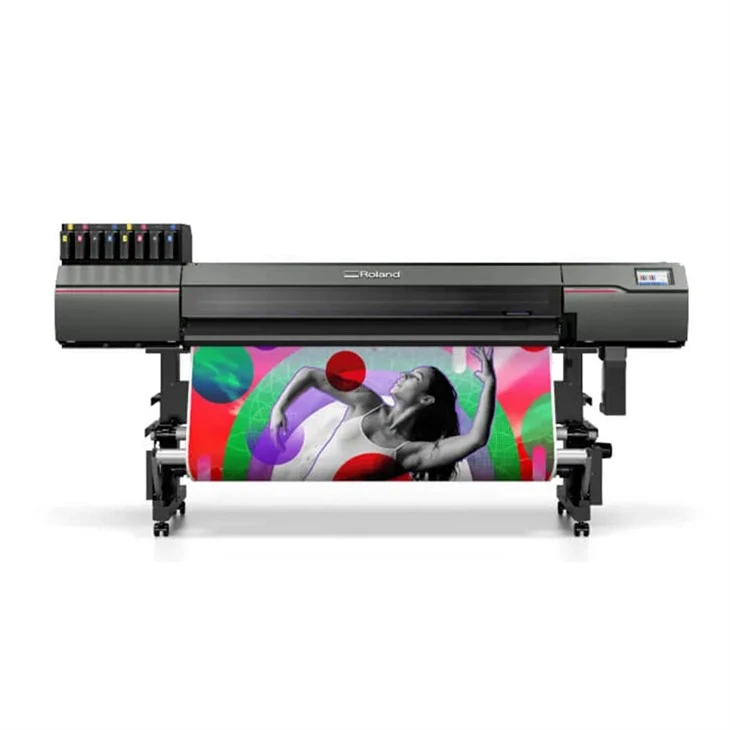
As a supplier of UV Printing And Cutting Machines, I understand the importance of proper waste management in the printing and cutting industry. UV printing and cutting machines are widely used for various applications, from signage and packaging to industrial components. However, these machines generate different types of waste materials that need to be handled responsibly to minimize environmental impact and ensure compliance with regulations. In this blog, I will share some effective ways to handle the waste materials produced by a UV printing and cutting machine.

Understanding the Types of Waste
Before we discuss how to handle the waste, it's crucial to understand the different types of waste materials generated by UV printing and cutting machines.
- Ink Waste: UV inks are used in UV printing machines. Over time, ink cartridges may need to be replaced, and there can be leftover ink in the system. Ink waste can be harmful to the environment if not disposed of properly, as it may contain chemicals such as pigments, solvents, and additives.
- Substrate Waste: Substrates are the materials on which the printing is done. This can include paper, vinyl, plastic, and other materials. During the cutting process, there are often scraps and off - cuts of the substrate that are left behind.
- Consumable Waste: Consumables such as cleaning wipes, gloves, and other items used in the maintenance of the UV printing and cutting machine also contribute to the waste stream.
Proper Disposal of Ink Waste
Ink waste from UV printing and cutting machines requires special attention. Here are some steps to ensure proper disposal:
- Separate and Store: Separate used ink cartridges and any leftover ink from other waste materials. Store them in a designated area that is well - ventilated and away from heat sources. Make sure the containers are properly sealed to prevent leakage.
- Recycling Programs: Many ink manufacturers offer recycling programs for their cartridges. Check with the manufacturer of the UV inks you are using to see if they have a recycling initiative. This can help reduce the environmental impact of ink waste.
- Hazardous Waste Disposal: If the ink contains hazardous chemicals, it may need to be disposed of as hazardous waste. Contact your local environmental agency or a licensed hazardous waste disposal company to arrange for proper disposal.
Managing Substrate Waste
Substrate waste can be a significant portion of the waste generated by UV printing and cutting machines. Here are some strategies to manage it effectively:
- Reuse and Repurpose: If the substrate scraps are in good condition, consider reusing them for smaller printing jobs or other projects. For example, vinyl scraps can be used for creating small labels or stickers.
- Recycling: Many substrates, such as paper and some plastics, can be recycled. Check with your local recycling facilities to see if they accept the specific types of substrates you are using. Make sure to separate the different types of substrates for recycling.
- Minimization: To reduce substrate waste, optimize your cutting patterns. Use software that can arrange the designs on the substrate in the most efficient way, minimizing the amount of leftover material.
Handling Consumable Waste
Consumable waste from UV printing and cutting machines can also be managed effectively.
- Choose Eco - friendly Consumables: When possible, choose eco - friendly cleaning wipes, gloves, and other consumables. Look for products that are biodegradable or made from recycled materials.
- Proper Disposal: Dispose of used consumables in the appropriate waste bins. If the consumables are contaminated with ink or other chemicals, they may need to be disposed of as hazardous waste.
Benefits of Proper Waste Handling
Proper waste handling for UV printing and cutting machines offers several benefits:
- Environmental Protection: By reducing the amount of waste sent to landfills and ensuring proper disposal of hazardous materials, we can protect the environment and reduce pollution.
- Cost Savings: Reusing and recycling waste materials can save on the cost of purchasing new materials. Additionally, proper waste management can help avoid fines and penalties for improper disposal.
- Reputation: Demonstrating a commitment to environmental responsibility can enhance your company's reputation and attract environmentally - conscious customers.
Conclusion
As a supplier of UV Printing And Cutting Machine, I encourage all users of UV printing and cutting machines to implement proper waste management practices. By understanding the types of waste generated, taking steps to reduce, reuse, and recycle, and ensuring proper disposal of hazardous materials, we can make a positive impact on the environment while also improving the efficiency and sustainability of our businesses.
If you are in the market for a UV printing and cutting machine, or if you have any questions about waste management in the printing and cutting industry, we are here to help. Our team of experts can provide you with more information about our products, including Eco - solvent Inkjet Printer and Large - format Eco - solvent Printer. Contact us today to start a procurement discussion and find the best solutions for your printing and cutting needs.
References
- Environmental Protection Agency. "Waste Management Basics."
- Ink Manufacturers' Association. "Guidelines for Ink Waste Disposal."
- Local Recycling Facilities' Information Brochures.