

Hey there! As a flatbed printer supplier, I've seen my fair share of the ins and outs of transporting these valuable machines. Flatbed printers are pretty complex and delicate pieces of equipment, so getting them from point A to point B safely is super important. In this blog, I'll share some tips on how to transport a flatbed printer safely.
Pre - Transport Preparation
First things first, you gotta do a thorough inspection of the printer. Check for any loose parts, damage, or signs of wear and tear. Make a list of everything you find, even the smallest issues. This way, you'll know if anything gets worse during transit.
Next, clean the printer. Remove any ink residues, dust, or debris. A clean printer is less likely to have issues during transport, and it also makes it easier to spot any new damage when it arrives at its destination. You can use a soft, lint - free cloth and some appropriate cleaning solutions recommended by the manufacturer.
It's also crucial to secure all the moving parts. Flatbed printers have lots of components that can move around, like print heads, carriages, and feeders. Use the locking mechanisms provided by the manufacturer to keep these parts in place. If there aren't any locking mechanisms, you can use some soft padding and straps to immobilize them gently.
Packaging
Proper packaging is the key to safe transport. You'll need a sturdy crate or a heavy - duty cardboard box that's big enough to fit the printer with some extra space for padding. The crate should be made of high - quality wood or a strong composite material.
Start by wrapping the printer in a layer of anti - static bubble wrap. This will protect it from scratches and minor impacts. Make sure to cover all the surfaces, including the top, sides, and bottom. After that, use thick foam padding around the printer. Place the foam in the corners and along the edges to absorb any shocks during transit.
If the printer has a control panel or a display, cover it with a protective plastic sheet to prevent it from getting scratched. You can also use some custom - made foam inserts to hold the printer in place inside the crate. These inserts will help distribute the weight evenly and reduce the risk of movement.
Documentation
Don't forget about the paperwork! You need to have all the necessary documentation ready before transporting the flatbed printer. This includes the user manual, warranty information, and any maintenance records. It's also a good idea to take some photos of the printer before packing it up. These photos can be used as evidence in case of any damage during transport.
Choosing a Carrier
Picking the right carrier is essential. Look for a shipping company that has experience in transporting large and delicate equipment. Check their reviews and ratings online to see what other customers have to say about their services.
Ask the carrier about their insurance options. A good carrier should offer insurance coverage for the value of the printer. Make sure you understand the terms and conditions of the insurance policy, including what's covered and what's not.
You can also ask the carrier about their handling procedures. They should have proper equipment and trained staff to load and unload the printer safely. For example, they should use forklifts or pallet jacks to move the crate, rather than trying to lift it by hand.
Loading and Unloading
When it's time to load the printer onto the transport vehicle, make sure it's done carefully. The carrier should use the appropriate equipment, like a loading dock or a ramp. The crate should be secured to the vehicle using straps or chains to prevent it from shifting during transit.
At the destination, the unloading process should be just as careful. The carrier should follow the same procedures as loading. Once the printer is unloaded, check it again for any signs of damage. Compare it with the photos you took before transport and the list of pre - existing issues.
Special Considerations for Different Types of Flatbed Printers
We offer a variety of flatbed printers, such as the 6090 Best Seller Flatbed UV Printer, the White Hybrid Printer, and the Paper Inkjet Printer As Paper Bowl. Each type has its own unique features and requirements for transport.
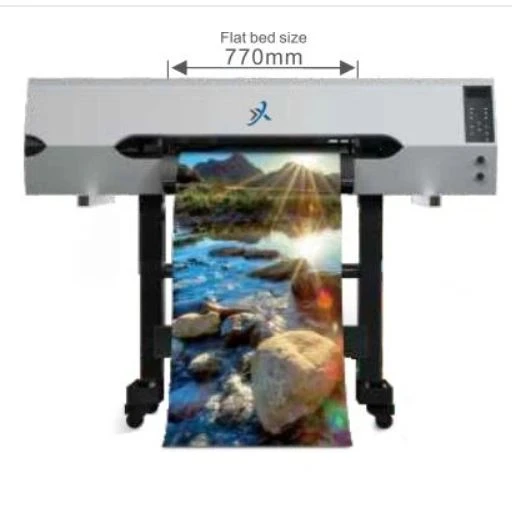

For UV printers like the 6090 Best Seller Flatbed UV Printer, you need to be extra careful with the UV lamps. These lamps are sensitive to shocks and vibrations. Make sure they are properly secured and protected during packaging. You may also need to follow specific storage and transport temperature requirements for the UV inks.
The White Hybrid Printer has a more complex printing mechanism. It's important to ensure that the white ink system is properly sealed and protected. Any leakage of white ink during transport can cause damage to the printer and other components.
The Paper Inkjet Printer As Paper Bowl is designed for printing on paper products. The paper feeders and the printing heads need to be well - protected. You should also make sure that the printer is stored in a dry environment during transport to prevent the paper from getting damp.
Post - Transport Checks
Once the printer has been transported and installed, do a full functional check. Power on the printer and run some test prints. Check the print quality, the alignment of the print heads, and the operation of all the functions. If you notice any issues, contact the carrier and the manufacturer immediately.
Conclusion
Transporting a flatbed printer safely requires careful planning, proper packaging, and choosing the right carrier. By following these tips, you can minimize the risk of damage and ensure that your printer arrives at its destination in good working condition.
If you're in the market for a flatbed printer or need more advice on transporting one, feel free to reach out. We're here to help you with all your flatbed printer needs. Whether you're interested in the 6090 Best Seller Flatbed UV Printer, the White Hybrid Printer, or the Paper Inkjet Printer As Paper Bowl, we can provide you with the best solutions.
References
- Manufacturer's user manuals and guidelines for flatbed printers.
- Industry best practices for transporting large and delicate equipment.