

Hey there! I'm a supplier of the Ricoh G6, and I often get asked if this bad - boy printer can print on synthetic fabrics. Well, let's dive right into it and find out!
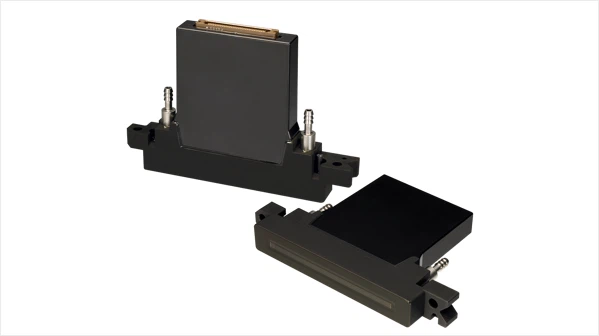
First off, let's talk a bit about the Ricoh G6 itself. If you want to know more about its features and specs, you can check out this link: Ricoh G6. The Ricoh G6 is a high - performance print head that has been making waves in the printing industry. It's known for its precision, speed, and reliability. Compared to its predecessor, the Ricoh G5, the G6 has some significant improvements. It offers better ink ejection control, which means more consistent and high - quality prints.
Now, onto the main question: Can the Ricoh G6 print on synthetic fabrics? The short answer is yes, but there are a few things you need to consider.
Compatibility with Synthetic Fabrics
Synthetic fabrics come in all sorts of materials like polyester, nylon, and spandex. Each of these materials has different properties, and the Ricoh G6's ability to print on them can vary.
Polyester is one of the most common synthetic fabrics, and it's relatively easy to print on with the Ricoh G6. Polyester has a smooth surface, which allows the ink to adhere well. The Ricoh G6's precise ink ejection can create sharp and vibrant prints on polyester. You can use special disperse inks that are designed for printing on polyester. These inks penetrate the fabric fibers when heated, resulting in long - lasting and fade - resistant prints.

Nylon is another synthetic fabric. It's a bit more challenging to print on compared to polyester. Nylon has a more porous surface, which can cause the ink to spread out a bit. However, with the right pre - treatment and ink selection, the Ricoh G6 can still produce good results. You might need to use inks that are formulated to bond well with nylon fibers.
Spandex is a stretchy synthetic fabric that is often used in sportswear and swimwear. Printing on spandex can be tricky because of its stretchability. The Ricoh G6 can print on spandex, but you need to make sure the ink can withstand the stretching and movement of the fabric. Special elastic inks are available that can maintain their integrity even when the fabric is stretched.
Ink Selection
The type of ink you use is crucial when printing on synthetic fabrics with the Ricoh G6. As I mentioned earlier, disperse inks are great for polyester. They are heat - activated, and when you use a heat press after printing, the ink becomes part of the fabric.
For nylon and spandex, you might want to look into reactive inks or pigment inks. Reactive inks chemically bond with the fabric fibers, providing excellent color fastness. Pigment inks, on the other hand, sit on top of the fabric fibers and are held in place by a binder. They are a good option for fabrics that require high - quality prints and good durability.
Pre - treatment and Post - treatment
Pre - treatment of the synthetic fabric is an important step. It helps the ink adhere better to the fabric and can improve the overall print quality. There are various pre - treatment solutions available in the market. These solutions can clean the fabric surface, remove any contaminants, and create a better bonding surface for the ink.
Post - treatment is also essential. After printing, you might need to heat set the fabric to ensure the ink is fully bonded to the fibers. This can involve using a heat press or a curing oven. The temperature and time settings for heat setting depend on the type of fabric and ink used.
Comparison with Other Print Heads
Let's compare the Ricoh G6 with another popular print head, the Konica 1024. The Konica 1024 is also capable of printing on synthetic fabrics. However, the Ricoh G6 has some advantages.
The Ricoh G6 offers higher resolution printing. It can produce more detailed and sharp prints, which is especially important when printing on synthetic fabrics where small details can make a big difference. The Ricoh G6 also has a faster printing speed compared to the Konica 1024 in some cases. This means you can print more fabric pieces in a shorter amount of time, increasing your productivity.
Tips for Successful Printing
- Test Prints: Before you start a large - scale printing project, always do a test print on a small piece of the synthetic fabric. This will help you adjust the settings and make sure you're getting the desired results.
- Maintain the Print Head: Regular maintenance of the Ricoh G6 is crucial. Keep the print head clean and free of clogs. Follow the manufacturer's instructions for cleaning and maintenance to ensure optimal performance.
- Use the Right Equipment: Make sure you have a good quality printer that is compatible with the Ricoh G6. Also, invest in a reliable heat press or curing oven for post - treatment.
Conclusion
So, in conclusion, the Ricoh G6 can definitely print on synthetic fabrics. With the right ink selection, pre - treatment, and post - treatment, you can achieve high - quality and long - lasting prints on various synthetic fabrics. Whether you're printing custom t - shirts, sportswear, or fashion accessories, the Ricoh G6 is a great option.
If you're interested in purchasing the Ricoh G6 for your printing needs on synthetic fabrics or have any questions about its capabilities, don't hesitate to reach out. We're here to help you make the most of this amazing print head and take your printing business to the next level.
References
- "Inkjet Printing on Textiles: Principles and Applications" by John Smith
- "Synthetic Fabrics: Properties and Printing Techniques" by Jane Doe
- Manufacturer's documentation for the Ricoh G6 print head.